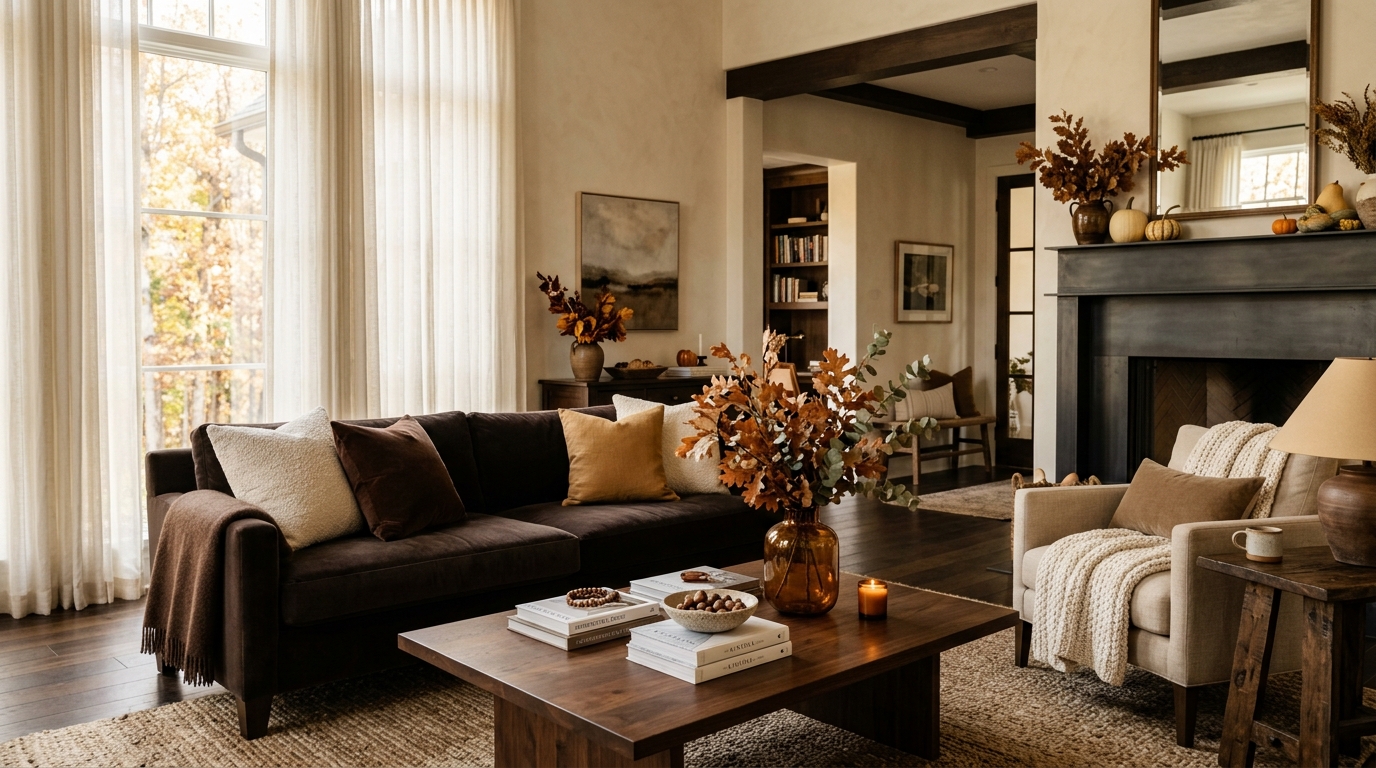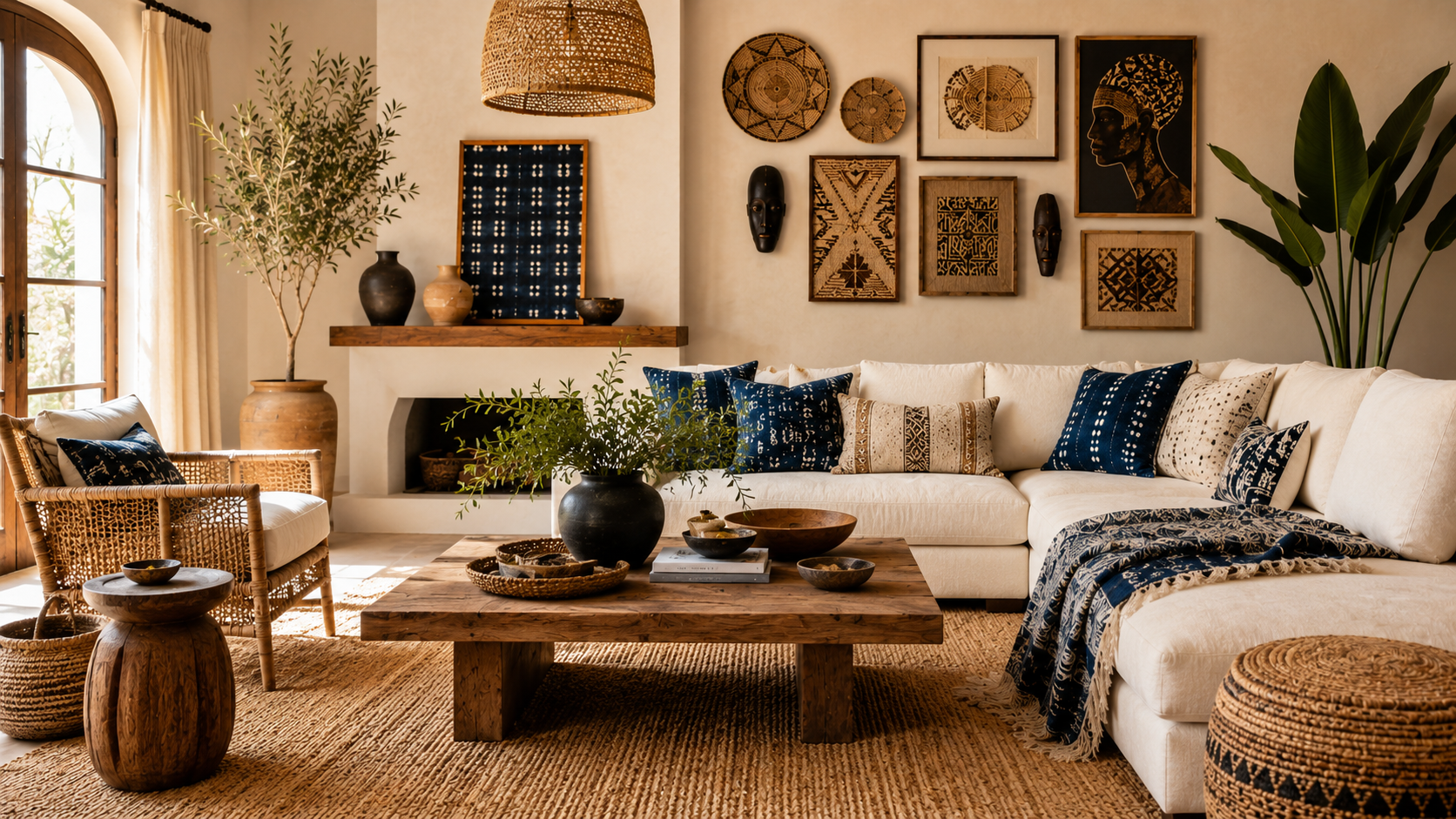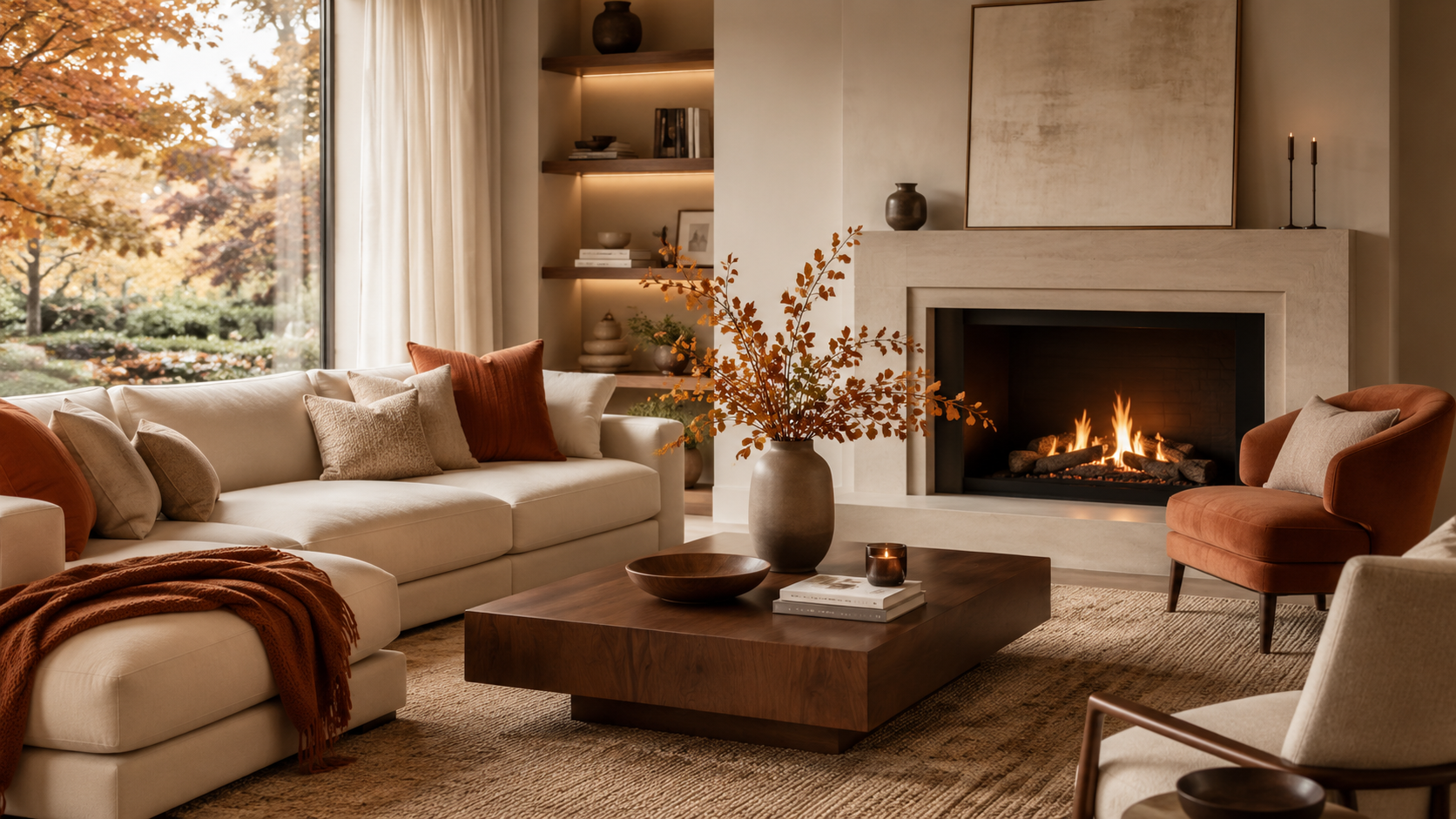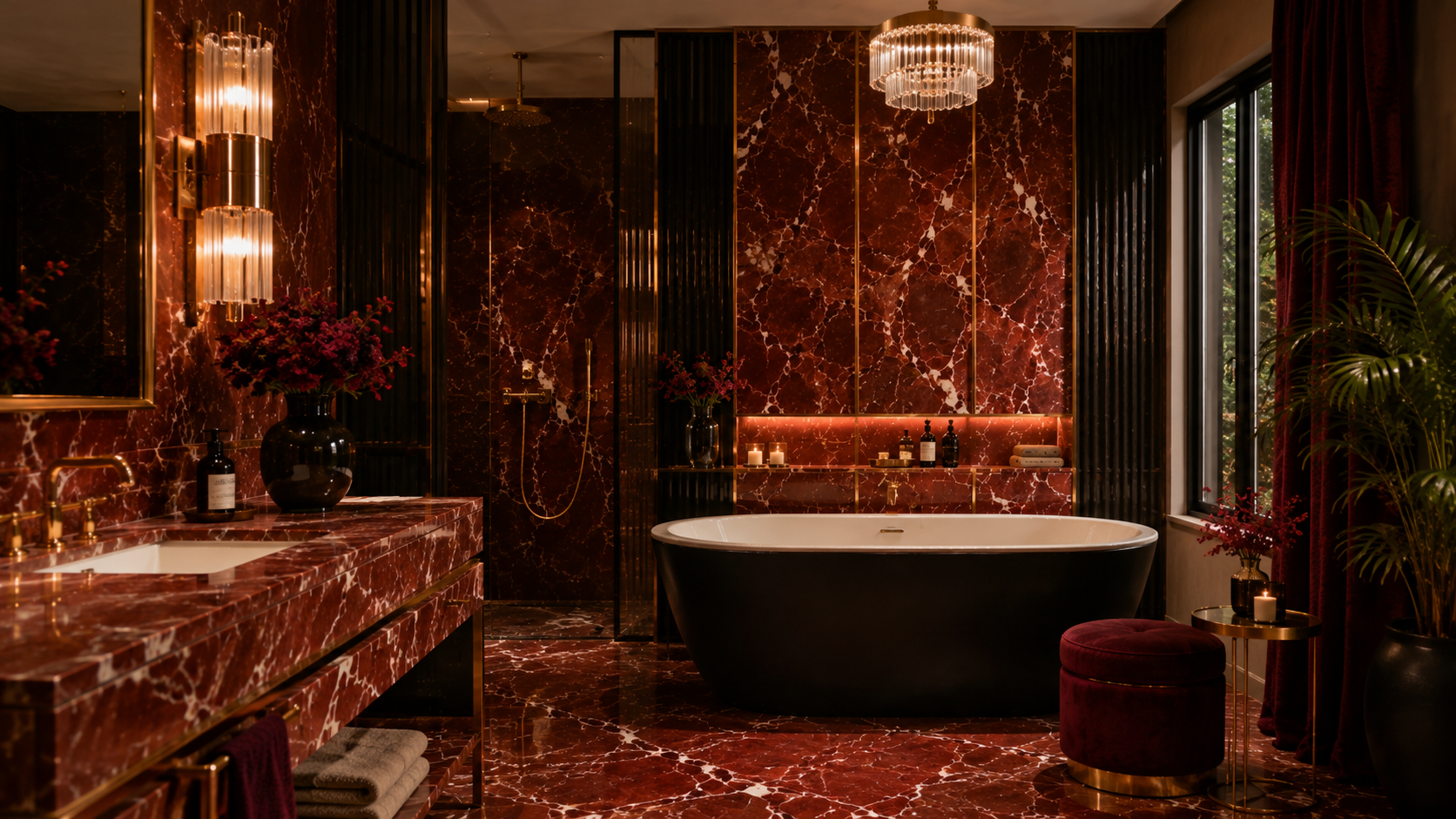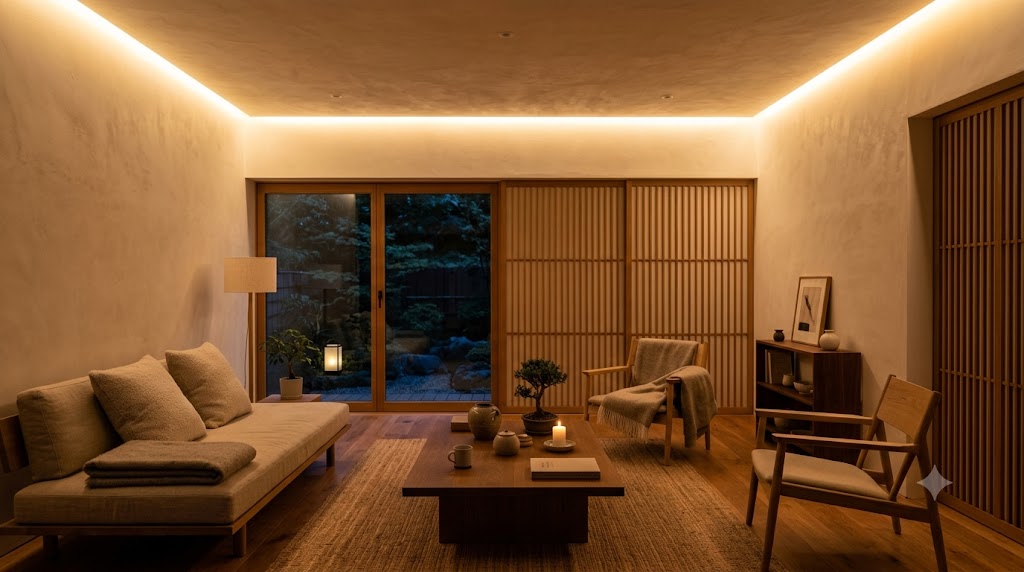
Japandi interior design has captured the global aesthetic imagination in 2026, offering a serene synthesis of two iconic design philosophies: Japanese Wabi-Sabi simplicity and Scandinavian Hygge warmth. A Japandi living room eliminates chaotic clutter, replacing loud patterns with clean architectural lines, low-slung oak furniture, handcrafted rice paper lanterns, and tactile raw linen upholstery. Whether you are redecorating a spacious open-concept home or curating a cozy apartment lounge, this guide features 20 elevated Japandi living room ideas that create an atmosphere of profound calm. For living room layout inspiration, explore our feature on 10 Warm Minimalist Living Room Ideas That Look Expensive.
What Defines Japandi Style in 2026?
While Scandinavian design emphasizes cozy warmth through textiles and light woods, traditional Japanese design focuses on minimalism, organic imperfection, and low ground-level seating. Japandi merges both worlds: Scandi warmth prevents Japanese interiors from feeling overly cold or sparse, while Japanese restraint keeps Scandi spaces from becoming cluttered. To understand raw organic finishes, read The Art of Wabi-Sabi: Embracing Imperfection in Home Decor.
The 60-30-10 Color & Material Ratio for Japandi Living Rooms
To achieve the perfect balance of serenity and texture without visual noise, interior architects rely on a strict 60-30-10 Japandi color ratio formula:
💡 Full Step-by-Step Breakdown & Secret Unlocked:
- Core Principle: Combine high-quality natural textures with balanced proportional silhouette cuts.
- Exact Color & Material Code: Stick to 60% warm neutral base tones paired with 30% accent shades and 10% handcrafted metallic or natural accents.
- Stylist Pro Tip: Focus on fit, proper maintenance, and high-shine or clean matte finishing touches.
- 60% Soft Muted Base (Walls & Sofas): Off-white limewash plaster, warm oat linen upholstery, or muted ivory travertine.
- 30% Organic Natural Wood (Furniture & Slats): Light rift-sawn white oak, natural ash wood, or woven bamboo tatami elements.
- 10% Grounding Dark Accents (Lighting & Decor): Matte charcoal metal, dark walnut stools, or unglazed Japanese clay vessels.
The #1 Japandi Living Room Mistake That Makes Rooms Look Empty (And How to Fix It)
Removing all furniture and decor items until the living room feels sterile and cold is the single biggest mistake homeowners make when attempting Japandi design.
The Mistake: Confusing Japandi minimalism with extreme emptiness by stripping away all warmth, soft blankets, and natural light sources creates a sterile hospital-like environment.
The Designer Fix: Focus on rich tactile layering! Pair smooth low-profile oak sofas with chunky hand-knotted wool rugs, sculptural rice paper lanterns, and large unglazed clay vases holding wild dried branches. Warmth comes from natural raw texture, not excess knick-knacks!
20 Elevated Japandi Living Room Ideas
1. Low-Profile Natural Oak & Linen Sofa Seating
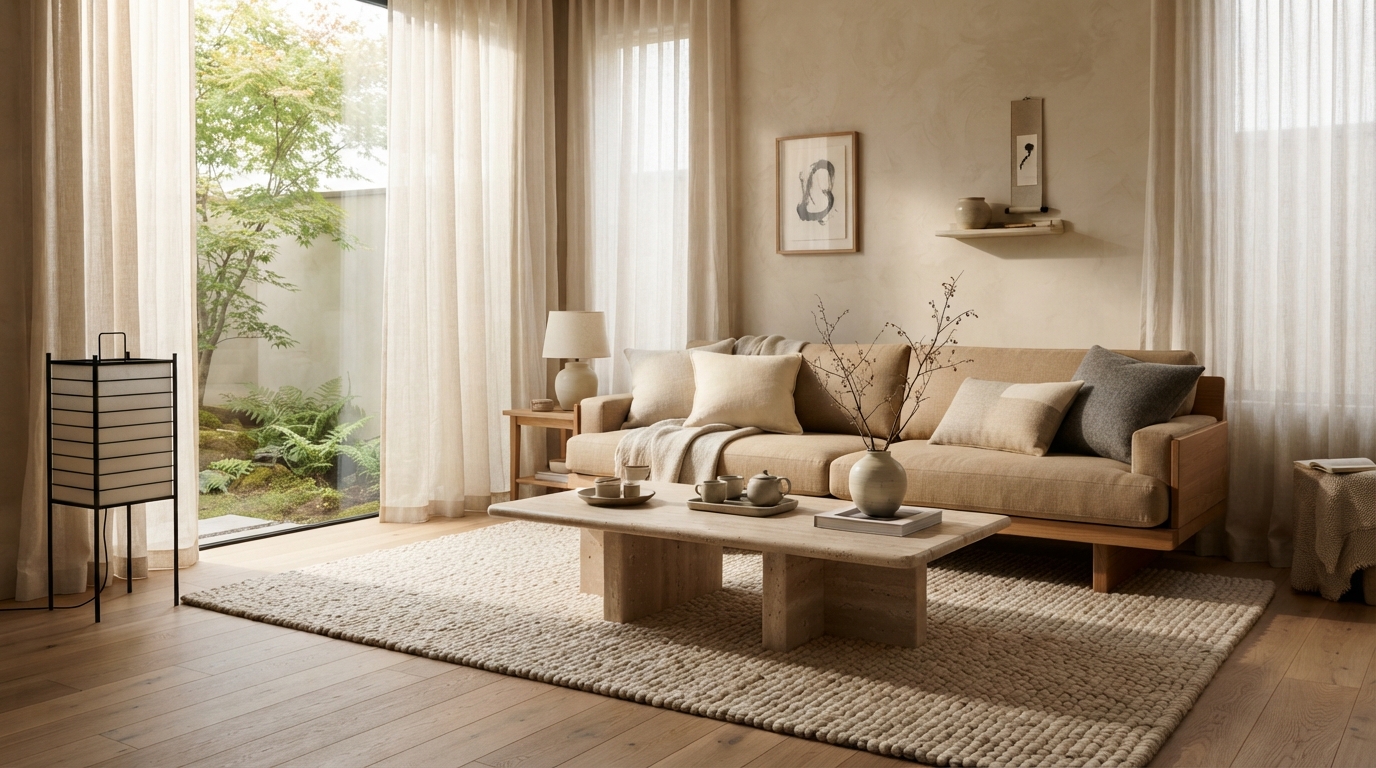
Incorporating low-profile natural oak & linen sofa seating provides organic warmth, architectural restraint, and restful visual balance. When styling low-profile natural oak & linen sofa seating, focus on raw wood patinas, warm neutral tones, and diffused natural sunlight.
2. Akari-Style Washed Rice Paper Floor Lanterns
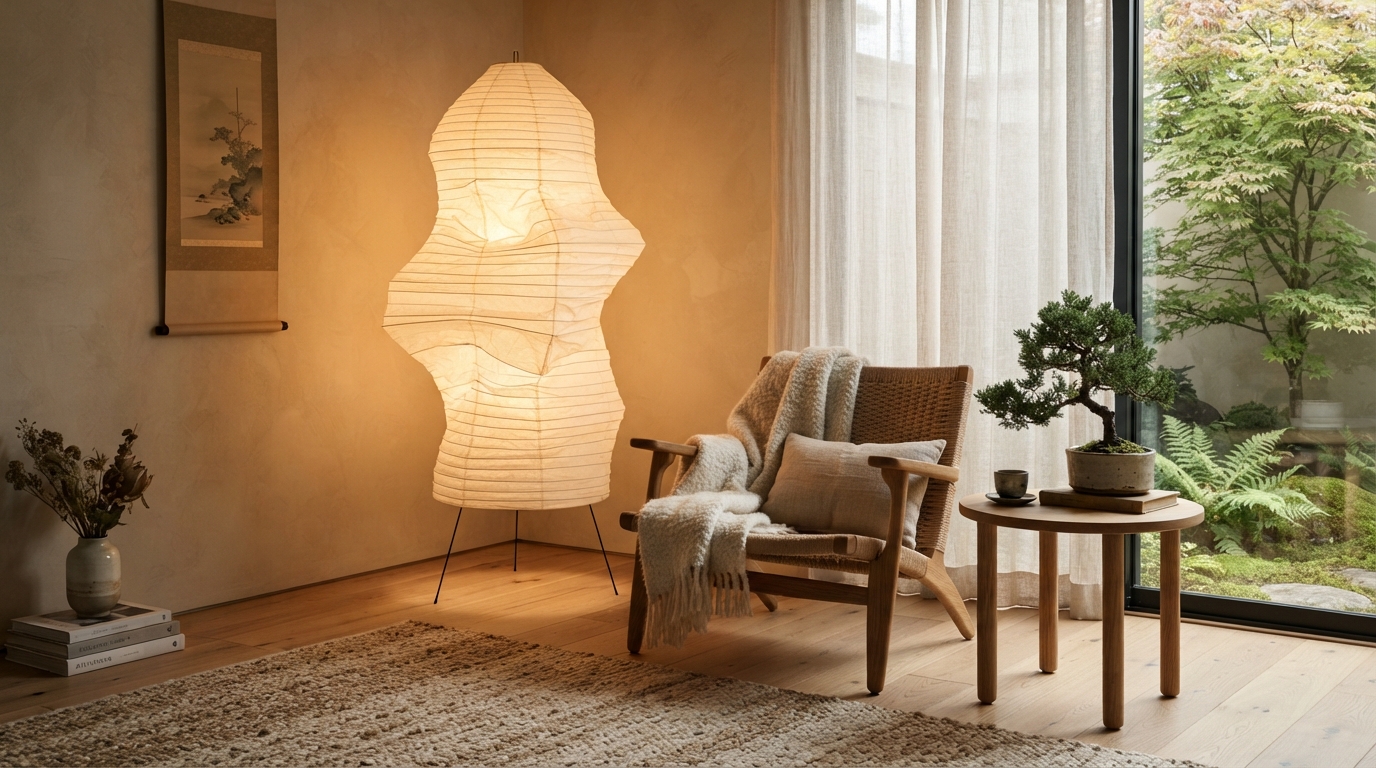
Incorporating akari-style washed rice paper floor lanterns provides organic warmth, architectural restraint, and restful visual balance. When styling akari-style washed rice paper floor lanterns, focus on raw wood patinas, warm neutral tones, and diffused natural sunlight.
Replace direct glass lighting with an Akari-inspired sculptural rice paper floor lantern. The translucent hand-pressed paper diffuses harsh bulb glare into a soft, warm evening glow that mimics moonlight!
3. Honed Travertine Low-Slung Block Coffee Tables
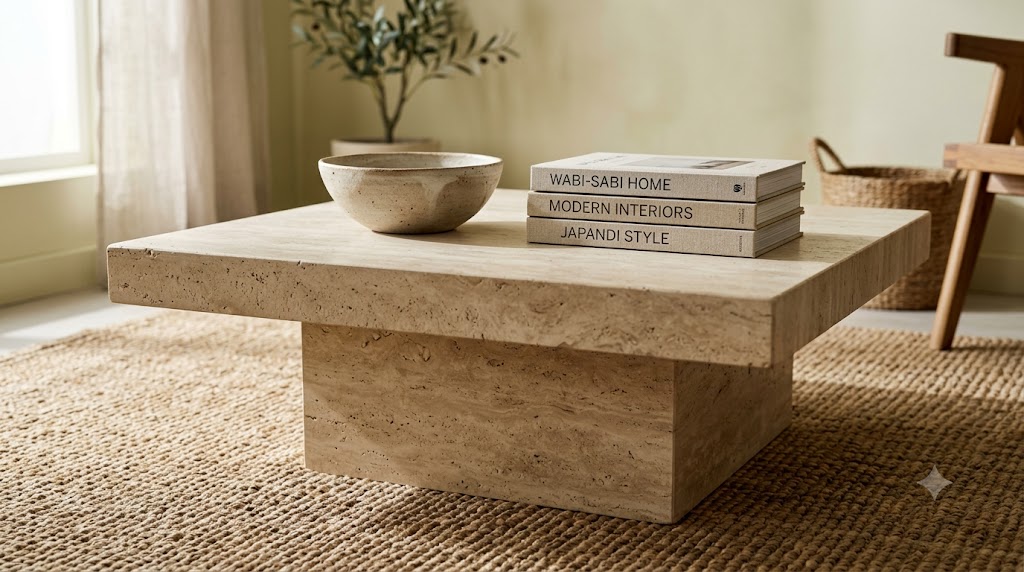
Incorporating honed travertine low-slung block coffee tables provides organic warmth, architectural restraint, and restful visual balance. When styling honed travertine low-slung block coffee tables, focus on raw wood patinas, warm neutral tones, and diffused natural sunlight.
4. Vertical White Oak Slatted Wood Accent Walls
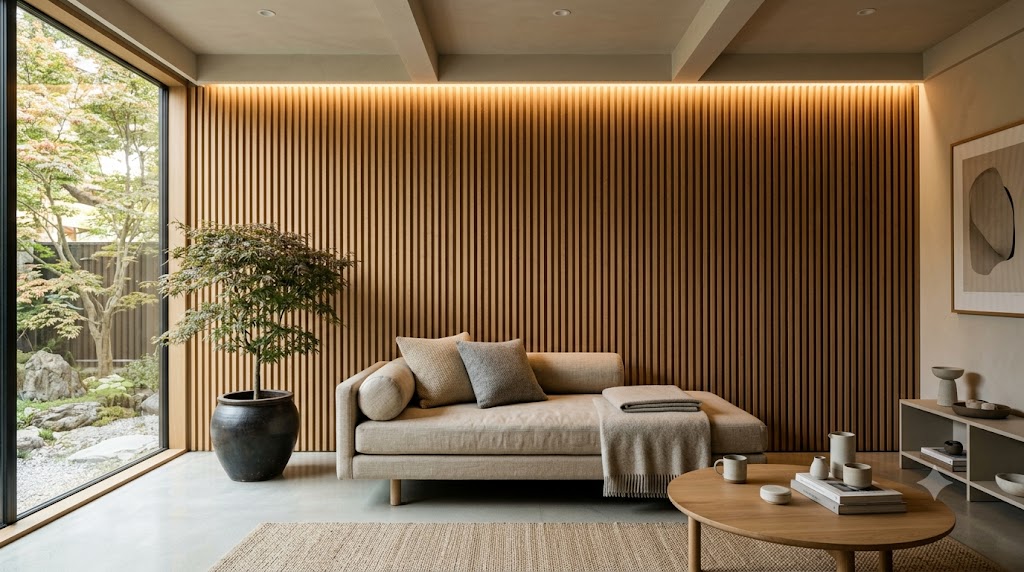
Incorporating vertical white oak slatted wood accent walls provides organic warmth, architectural restraint, and restful visual balance. When styling vertical white oak slatted wood accent walls, focus on raw wood patinas, warm neutral tones, and diffused natural sunlight.
5. Wabi-Sabi Hand-Molded Clay Vases & Dried Branches
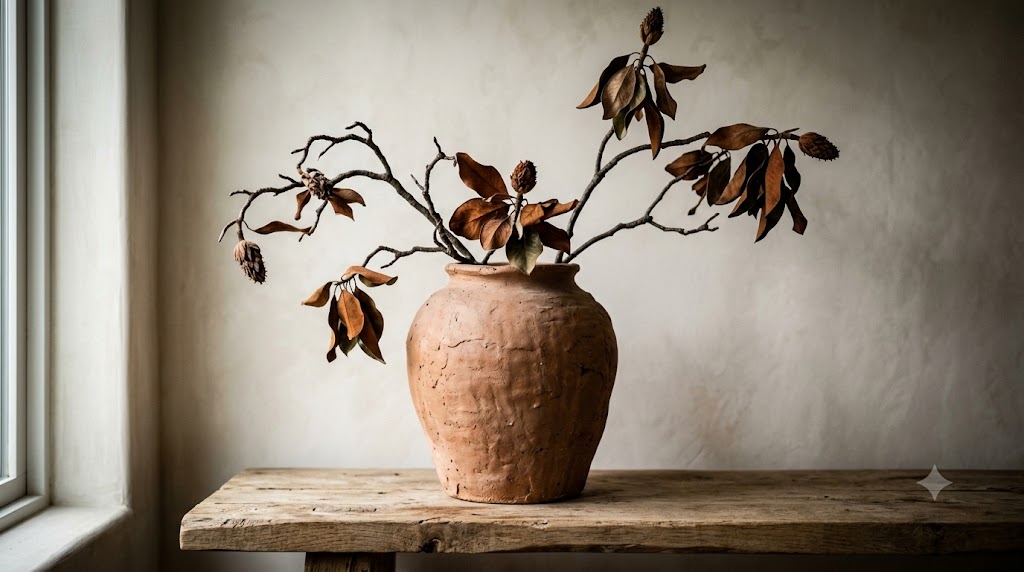
Incorporating wabi-sabi hand-molded clay vases & dried branches provides organic warmth, architectural restraint, and restful visual balance. When styling wabi-sabi hand-molded clay vases & dried branches, focus on raw wood patinas, warm neutral tones, and diffused natural sunlight.
Instead of symmetrical fresh flower arrangements, place a single tall, naturally crooked dried magnolia or plum branch inside a matte unglazed terra-cotta vessel. The asymmetrical silhouette introduces sculptural drama!
6. Textured Chunky Wool & Raw Jute Area Rug Layering
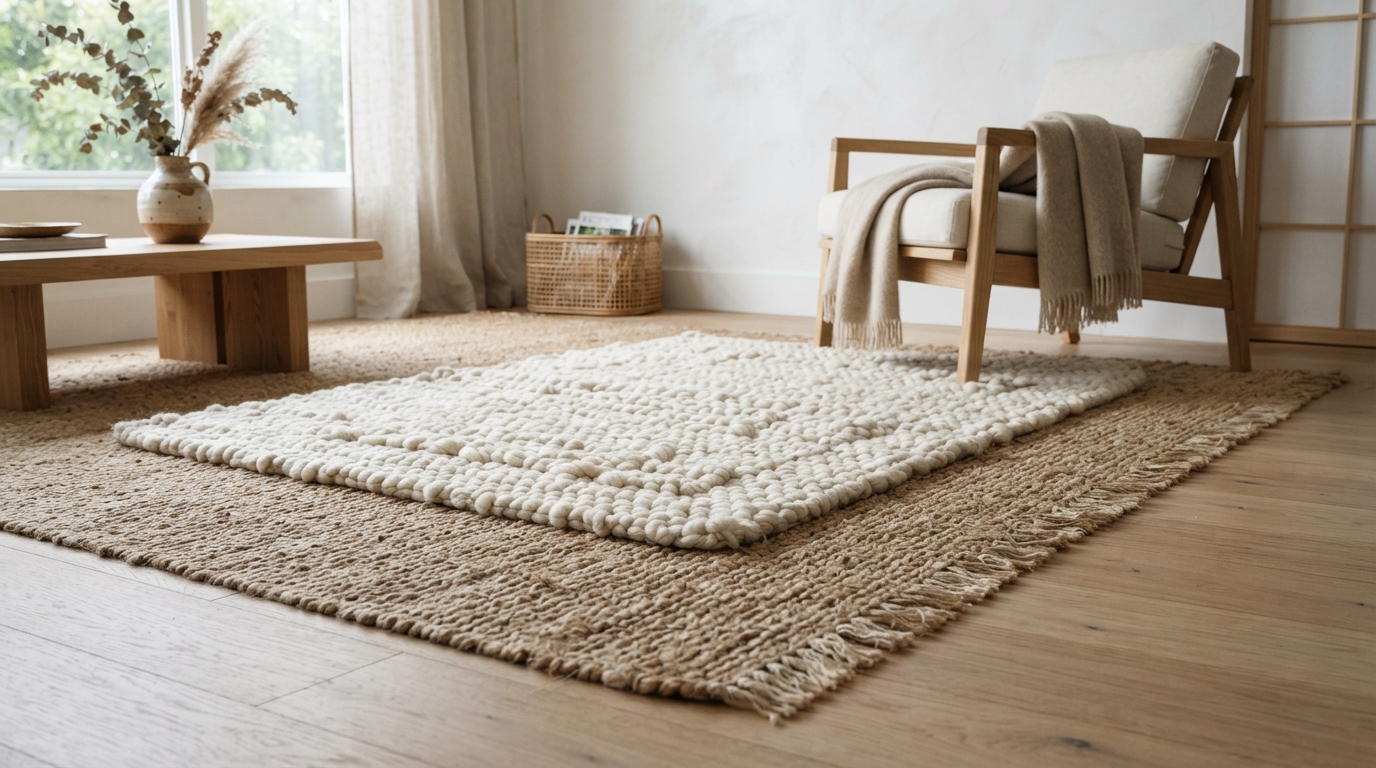
Incorporating textured chunky wool & raw jute area rug layering provides organic warmth, architectural restraint, and restful visual balance. When styling textured chunky wool & raw jute area rug layering, focus on raw wood patinas, warm neutral tones, and diffused natural sunlight.
7. Shoji Screen Inspired Sliding Slatted Wood Room Dividers
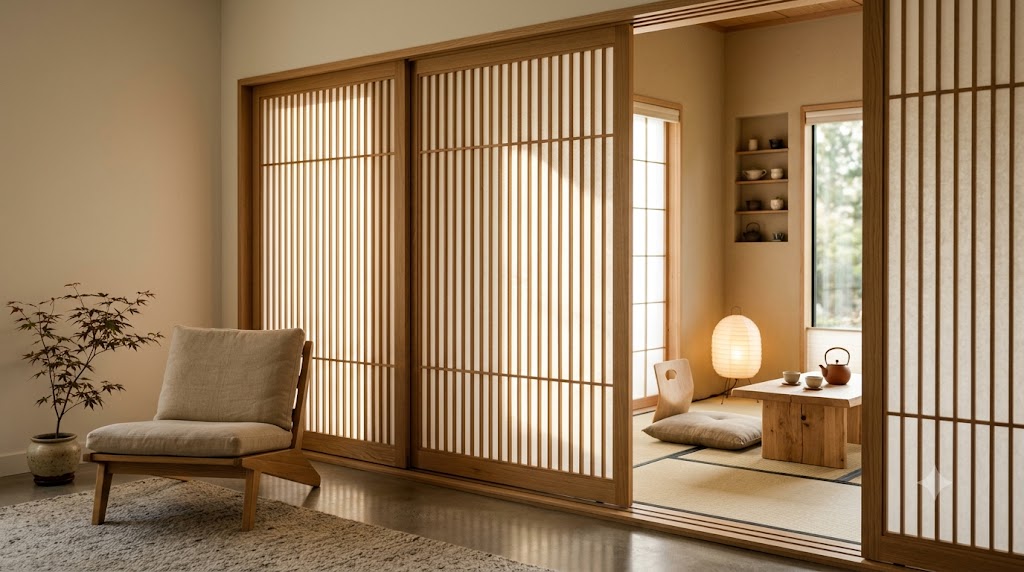
Incorporating shoji screen inspired sliding slatted wood room dividers provides organic warmth, architectural restraint, and restful visual balance. When styling shoji screen inspired sliding slatted wood room dividers, focus on raw wood patinas, warm neutral tones, and diffused natural sunlight.
8. Warm Cream Limewash Plaster Wall Finishes
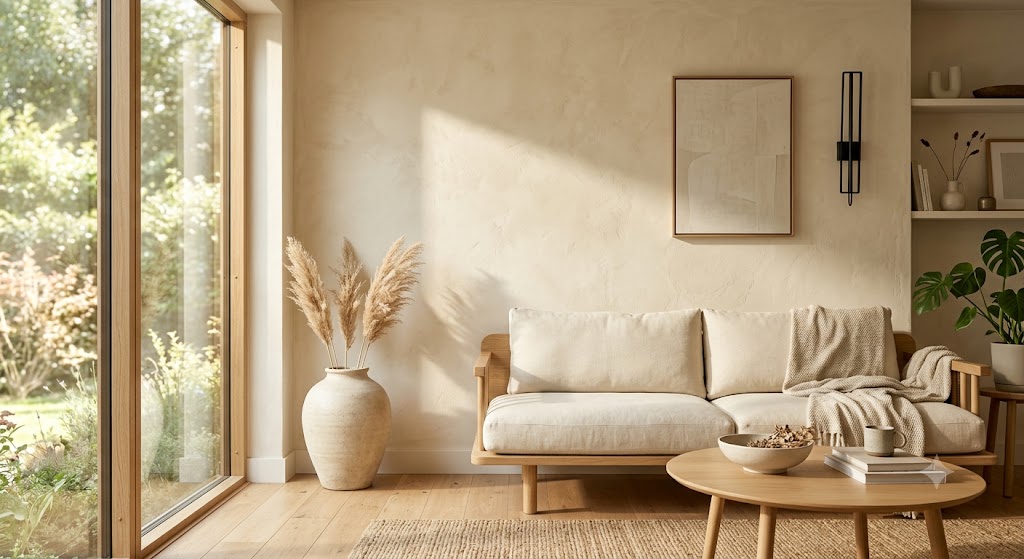
Incorporating warm cream limewash plaster wall finishes provides organic warmth, architectural restraint, and restful visual balance. When styling warm cream limewash plaster wall finishes, focus on raw wood patinas, warm neutral tones, and diffused natural sunlight.
9. Curated Low Wooden Media Consoles with Hidden Storage
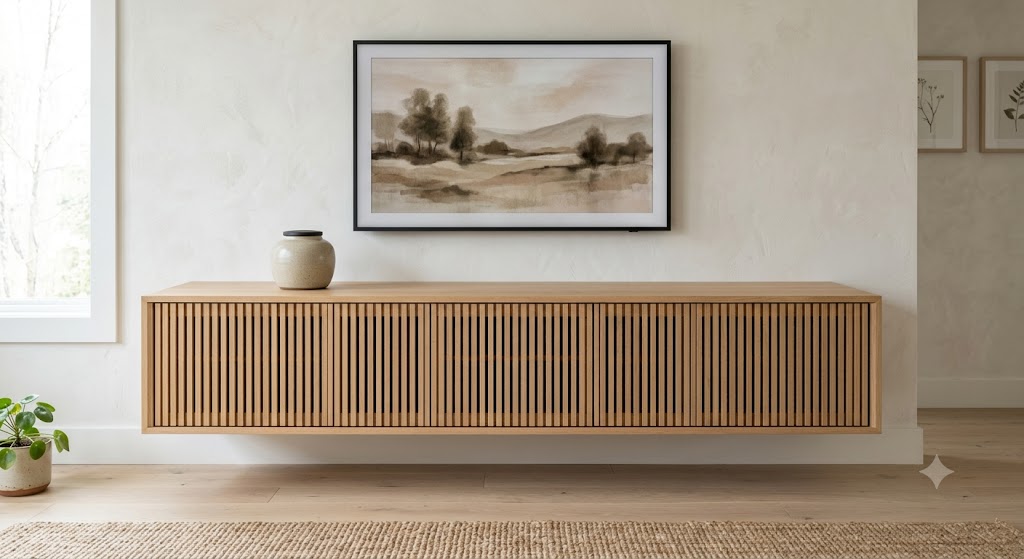
Incorporating curated low wooden media consoles with hidden storage provides organic warmth, architectural restraint, and restful visual balance. When styling curated low wooden media consoles with hidden storage, focus on raw wood patinas, warm neutral tones, and diffused natural sunlight.
10. Minimalist Bouclé Lounge Armchairs with Ash Frames
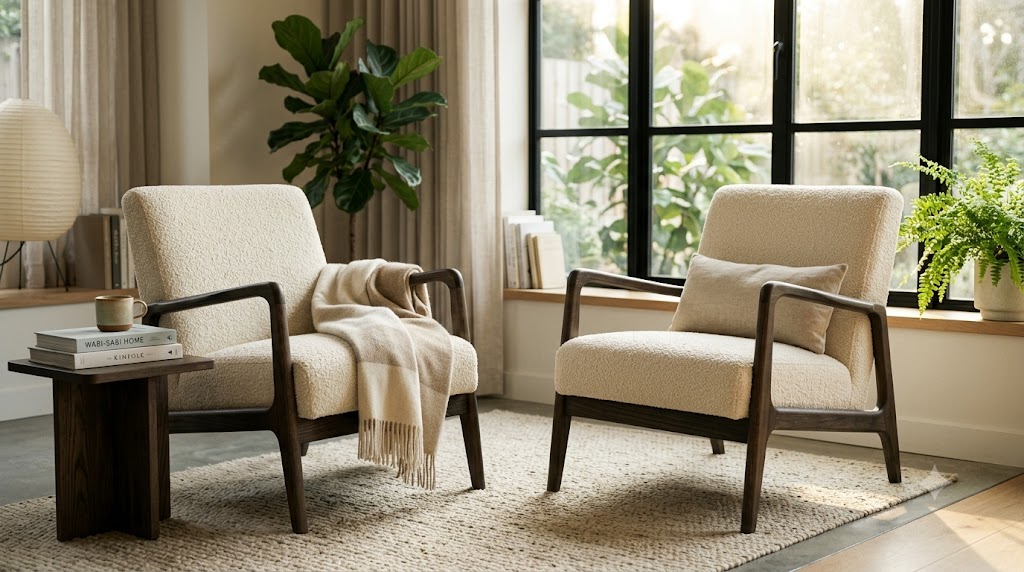
Incorporating minimalist bouclé lounge armchairs with ash frames provides organic warmth, architectural restraint, and restful visual balance. When styling minimalist bouclé lounge armchairs with ash frames, focus on raw wood patinas, warm neutral tones, and diffused natural sunlight.
11. Floor Tatami Mats with Organic Linen Cushions
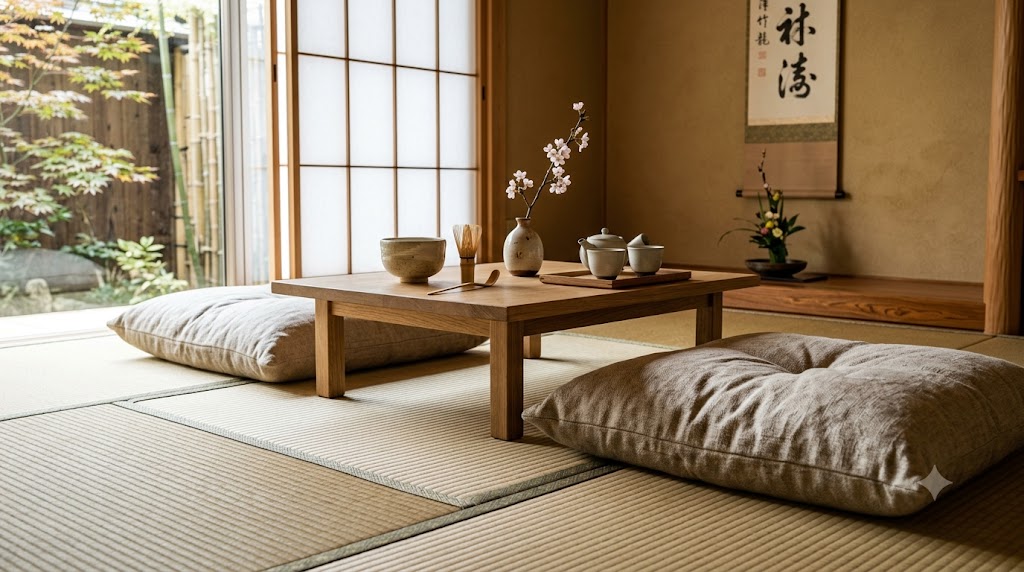
Incorporating floor tatami mats with organic linen cushions provides organic warmth, architectural restraint, and restful visual balance. When styling floor tatami mats with organic linen cushions, focus on raw wood patinas, warm neutral tones, and diffused natural sunlight.
Lowering your seating sightline brings instant calm. Layer woven igusa straw tatami floor mats with thick natural flax linen floor cushions next to low coffee tables for relaxed morning tea rituals.
12. Recessed Warm Ambient LED Perimeter Lighting
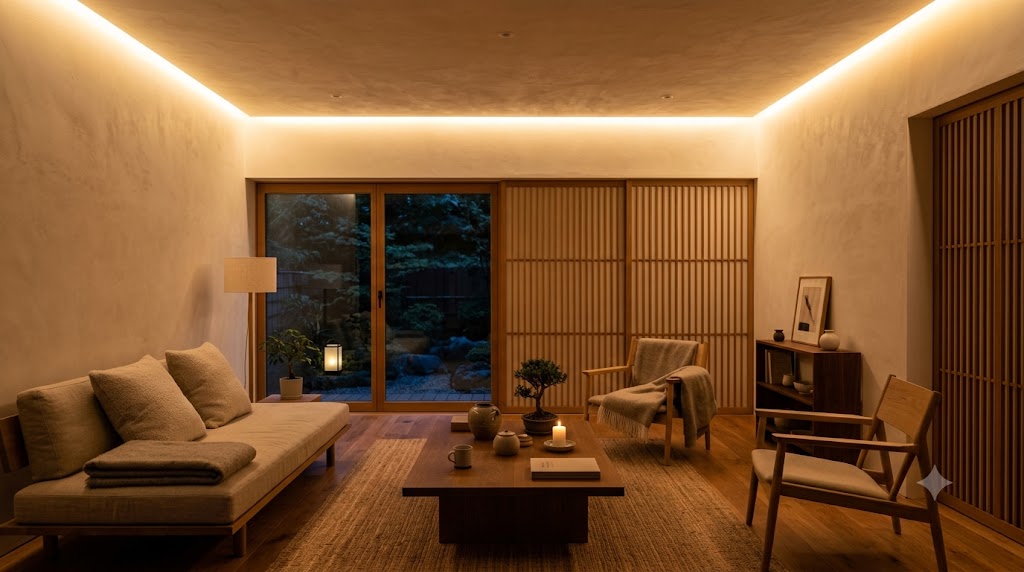
Incorporating recessed warm ambient led perimeter lighting provides organic warmth, architectural restraint, and restful visual balance. When styling recessed warm ambient led perimeter lighting, focus on raw wood patinas, warm neutral tones, and diffused natural sunlight.
13. Monochromatic Muted Neutral Throw Blanket Stacks
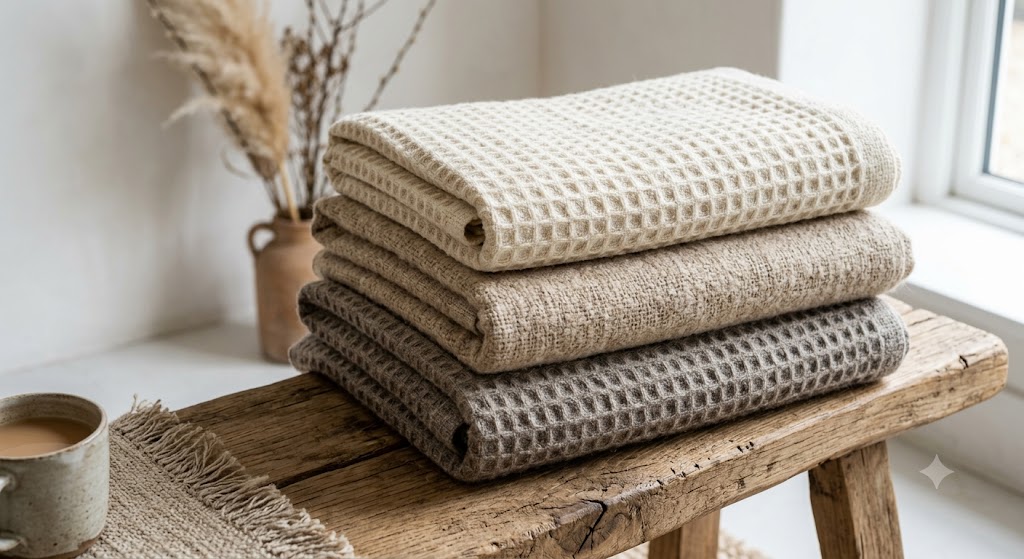
Incorporating monochromatic muted neutral throw blanket stacks provides organic warmth, architectural restraint, and restful visual balance. When styling monochromatic muted neutral throw blanket stacks, focus on raw wood patinas, warm neutral tones, and diffused natural sunlight.
14. Hand-Carved Dark Walnut Stools as Accent Tables
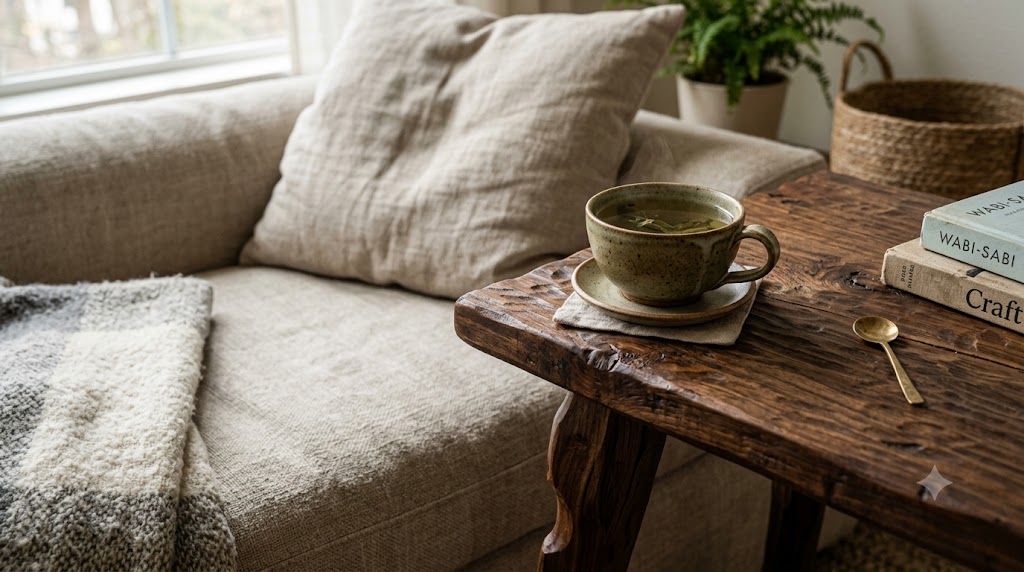
Incorporating hand-carved dark walnut stools as accent tables provides organic warmth, architectural restraint, and restful visual balance. When styling hand-carved dark walnut stools as accent tables, focus on raw wood patinas, warm neutral tones, and diffused natural sunlight.
15. Floor-to-Ceiling Unlined Sheer Linen Drapes
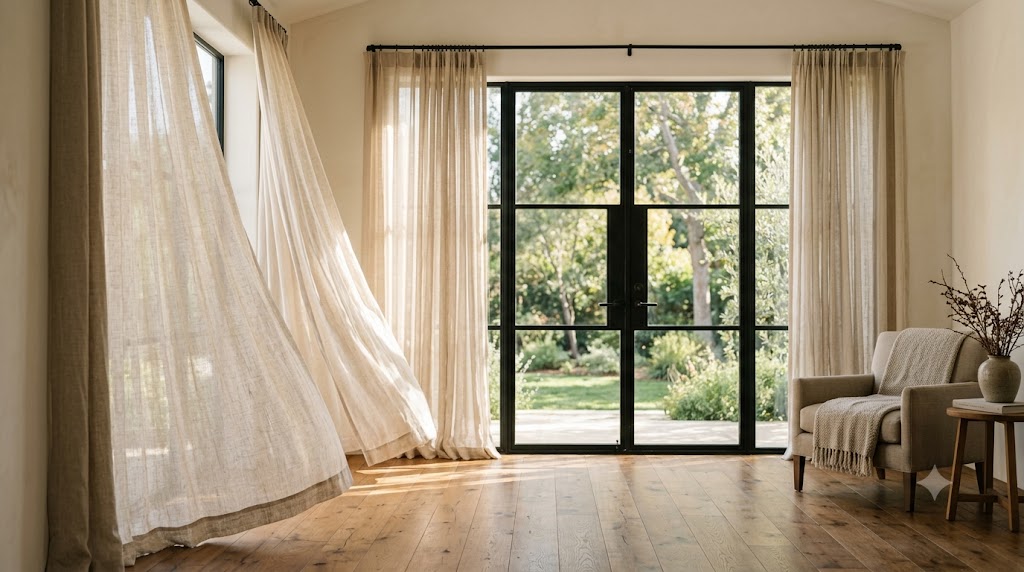
Incorporating floor-to-ceiling unlined sheer linen drapes provides organic warmth, architectural restraint, and restful visual balance. When styling floor-to-ceiling unlined sheer linen drapes, focus on raw wood patinas, warm neutral tones, and diffused natural sunlight.
16. Floating Raw Oak Display Ledges for Minimalist Art
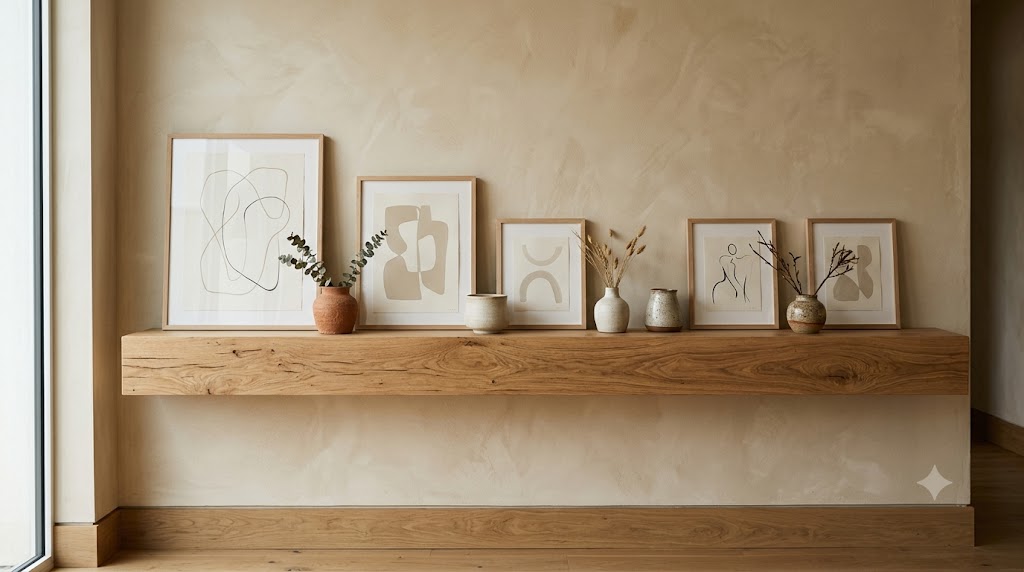
Incorporating floating raw oak display ledges for minimalist art provides organic warmth, architectural restraint, and restful visual balance. When styling floating raw oak display ledges for minimalist art, focus on raw wood patinas, warm neutral tones, and diffused natural sunlight.
17. Potted Japanese Bonsai & Sculptural Olive Trees
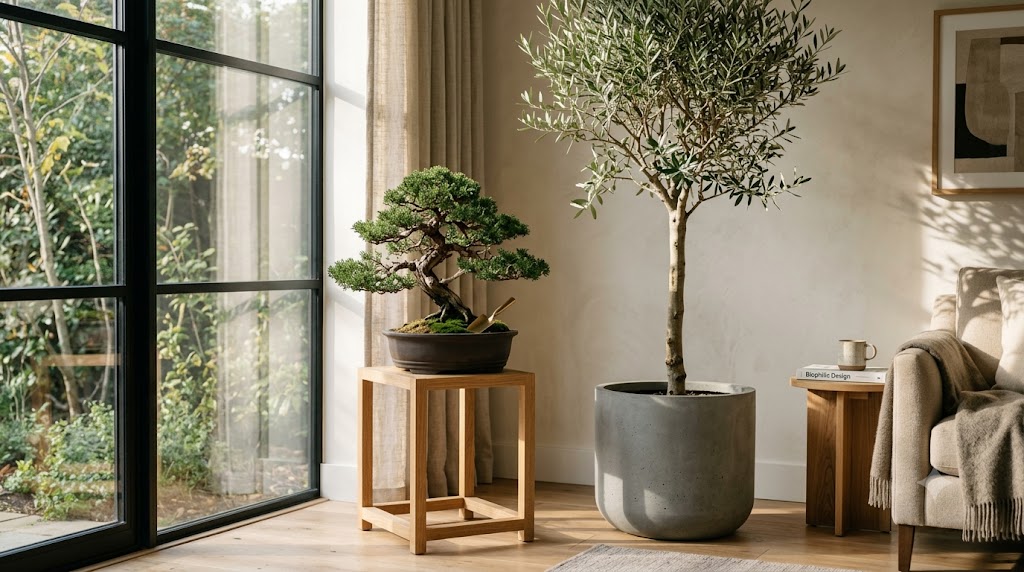
Incorporating potted japanese bonsai & sculptural olive trees provides organic warmth, architectural restraint, and restful visual balance. When styling potted japanese bonsai & sculptural olive trees, focus on raw wood patinas, warm neutral tones, and diffused natural sunlight.
18. Unlacquered Brass Sconces with Linen Drum Shades
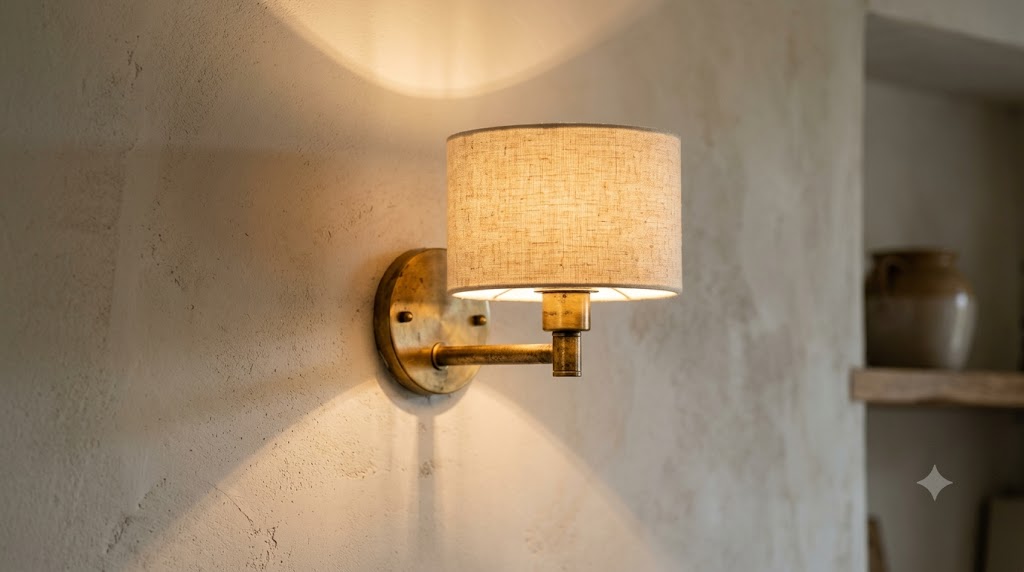
Incorporating unlacquered brass sconces with linen drum shades provides organic warmth, architectural restraint, and restful visual balance. When styling unlacquered brass sconces with linen drum shades, focus on raw wood patinas, warm neutral tones, and diffused natural sunlight.
19. Subtle Bamboo & Rattan Woven Accent Trays
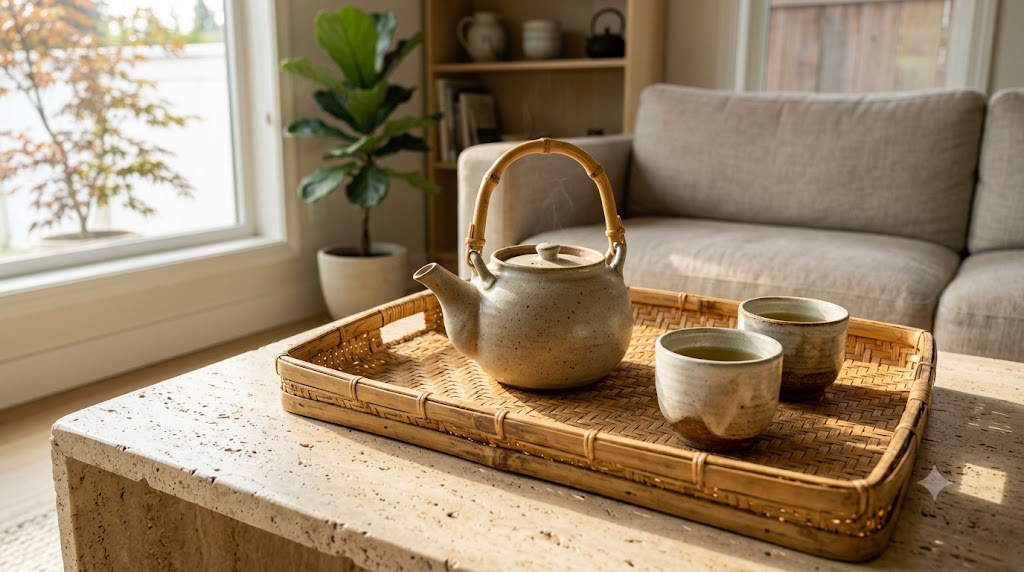
Incorporating subtle bamboo & rattan woven accent trays provides organic warmth, architectural restraint, and restful visual balance. When styling subtle bamboo & rattan woven accent trays, focus on raw wood patinas, warm neutral tones, and diffused natural sunlight.
20. Frameless Architectural Window Walls Overlooking Nature
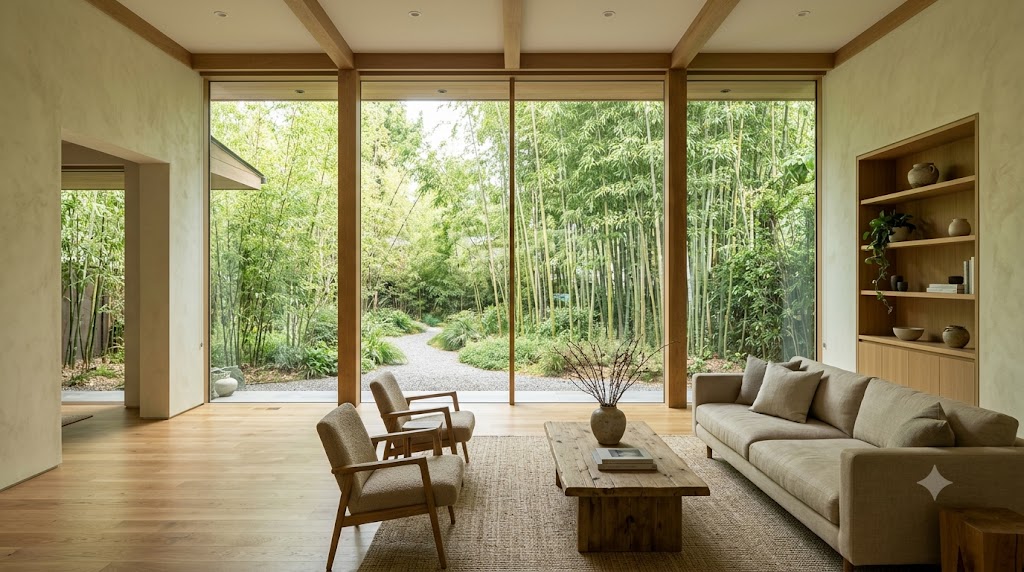
Incorporating frameless architectural window walls overlooking nature provides organic warmth, architectural restraint, and restful visual balance. When styling frameless architectural window walls overlooking nature, focus on raw wood patinas, warm neutral tones, and diffused natural sunlight.
Frequently Asked Questions (FAQ)
What is the difference between Japandi and Minimalist design?
Pure minimalism often focuses on cold metallic surfaces and stark white walls. Japandi replaces coldness with organic warmth—using raw white oak, limewash plaster, unglazed pottery, and soft linen to feel cozy yet uncluttered.
How do I choose coffee tables for a Japandi living room?
Select low-slung coffee tables made of natural white oak, honed travertine, or solid dark walnut with rounded organic edges rather than sharp chrome legs.
What plants pair best with Japandi interiors?
Potted Japanese Bonsai, Ficus Audrey, Olive Trees, or tall dried botanical branches in matte terracotta planters bring natural tranquility into the space.
Recommended Further Reading from Sharon Fashion Journal:
- Explore our editorial breakdown on Desk Sanctuary: Elevating Your Home Office Workspace for more styling inspiration.
- Explore our editorial breakdown on The Slow Morning: Embracing Rituals Over Routines for more styling inspiration.
- Explore our editorial breakdown on 10 Warm Minimalist Living Room Ideas That Look Expensive for more styling inspiration.
- Explore our editorial breakdown on 20 Modern Boho Bedroom Ideas That Look Effortlessly Chic for more styling inspiration.
Final Japandi Styling Summary
Designing a Japandi living room is about creating a soothing sanctuary where Scandinavian Hygge comfort meets Japanese Wabi-Sabi mindfulness. By investing in low-profile oak furniture, rice paper lighting, and tactile raw textiles, your home becomes a peaceful retreat from the modern world. Save your favorite Japandi mood boards on Pinterest to start curating your living space! 🌿⛩️
Save This Home Decor Guide on Pinterest!
Planning your next outfit, haircut, manicure, or home makeover? Pin your favorite mood boards directly to your Pinterest boards to keep these recommendations saved forever!