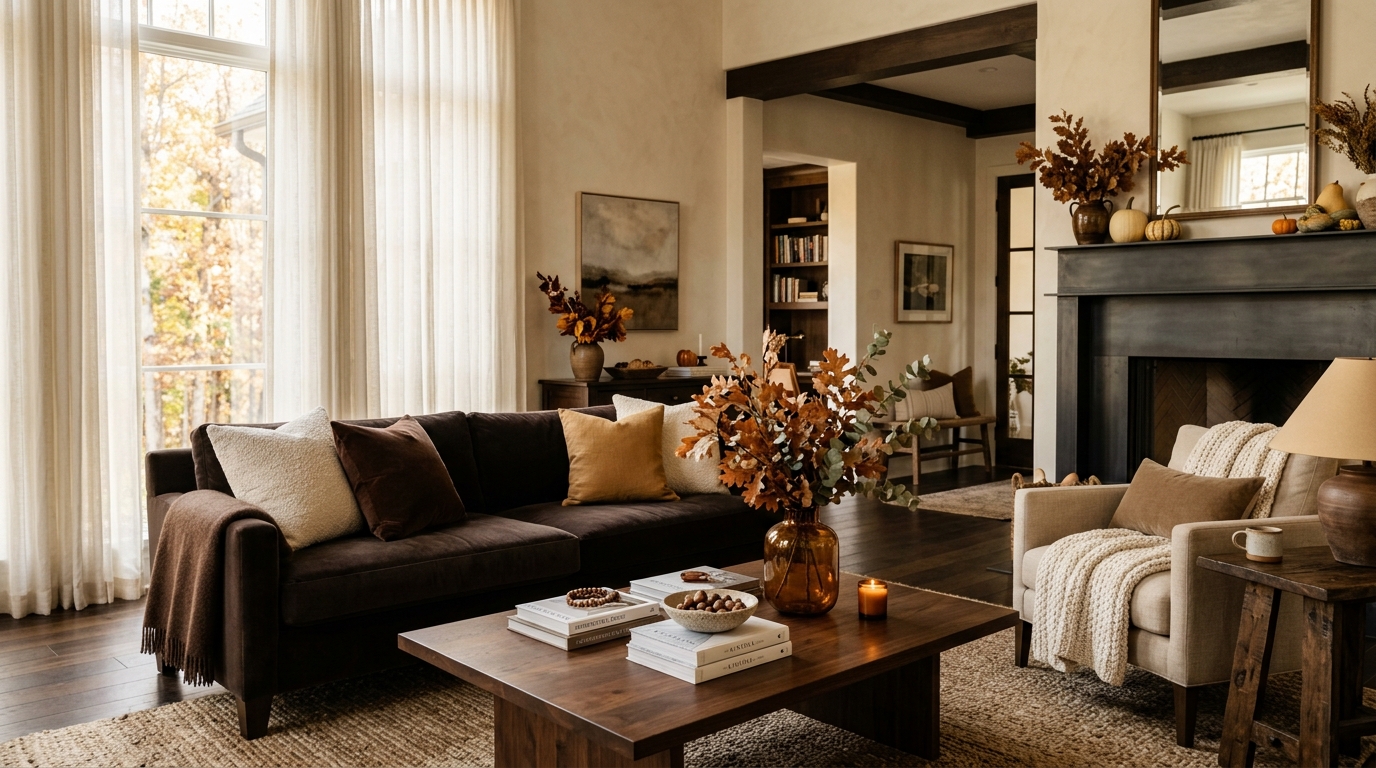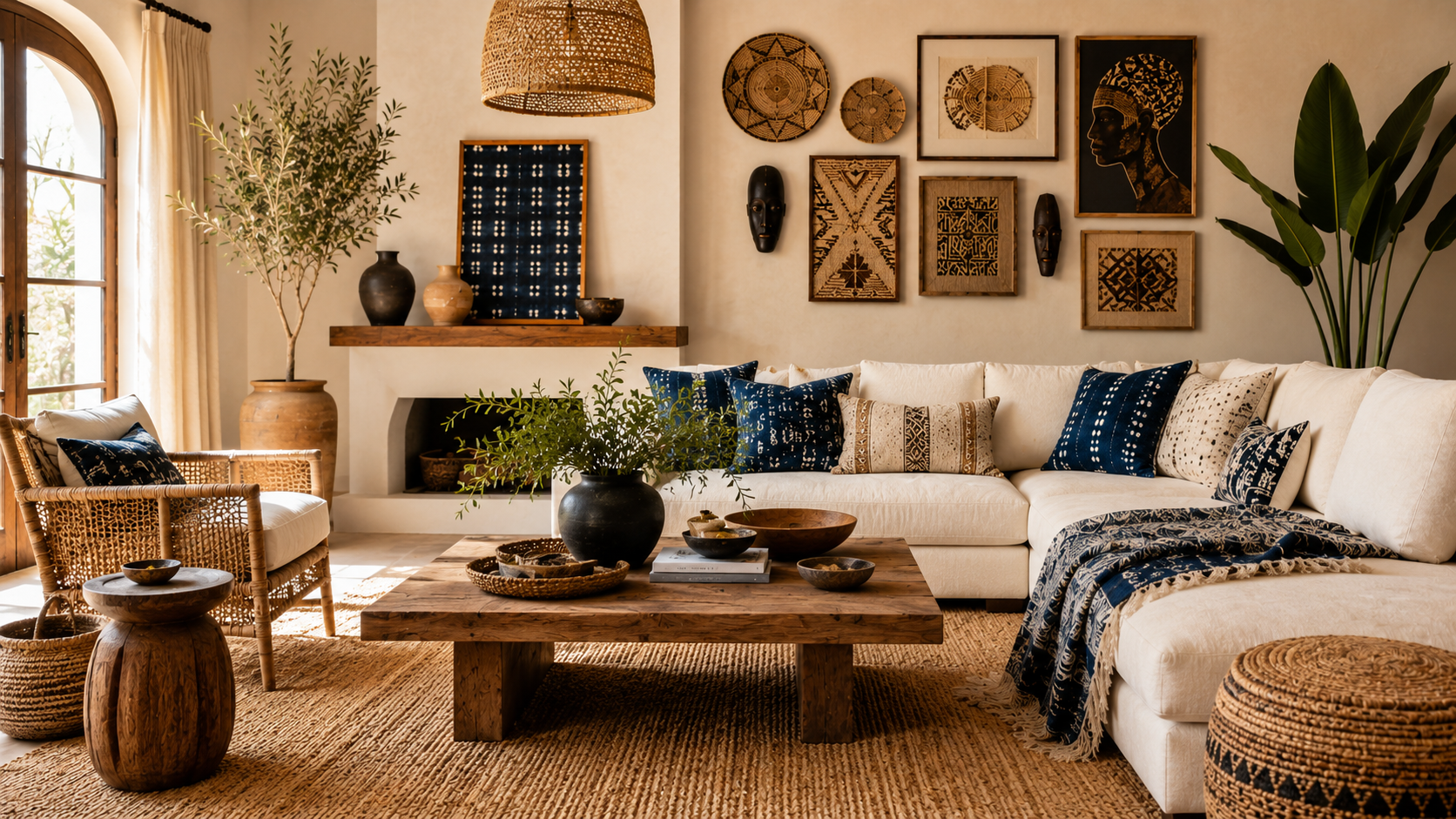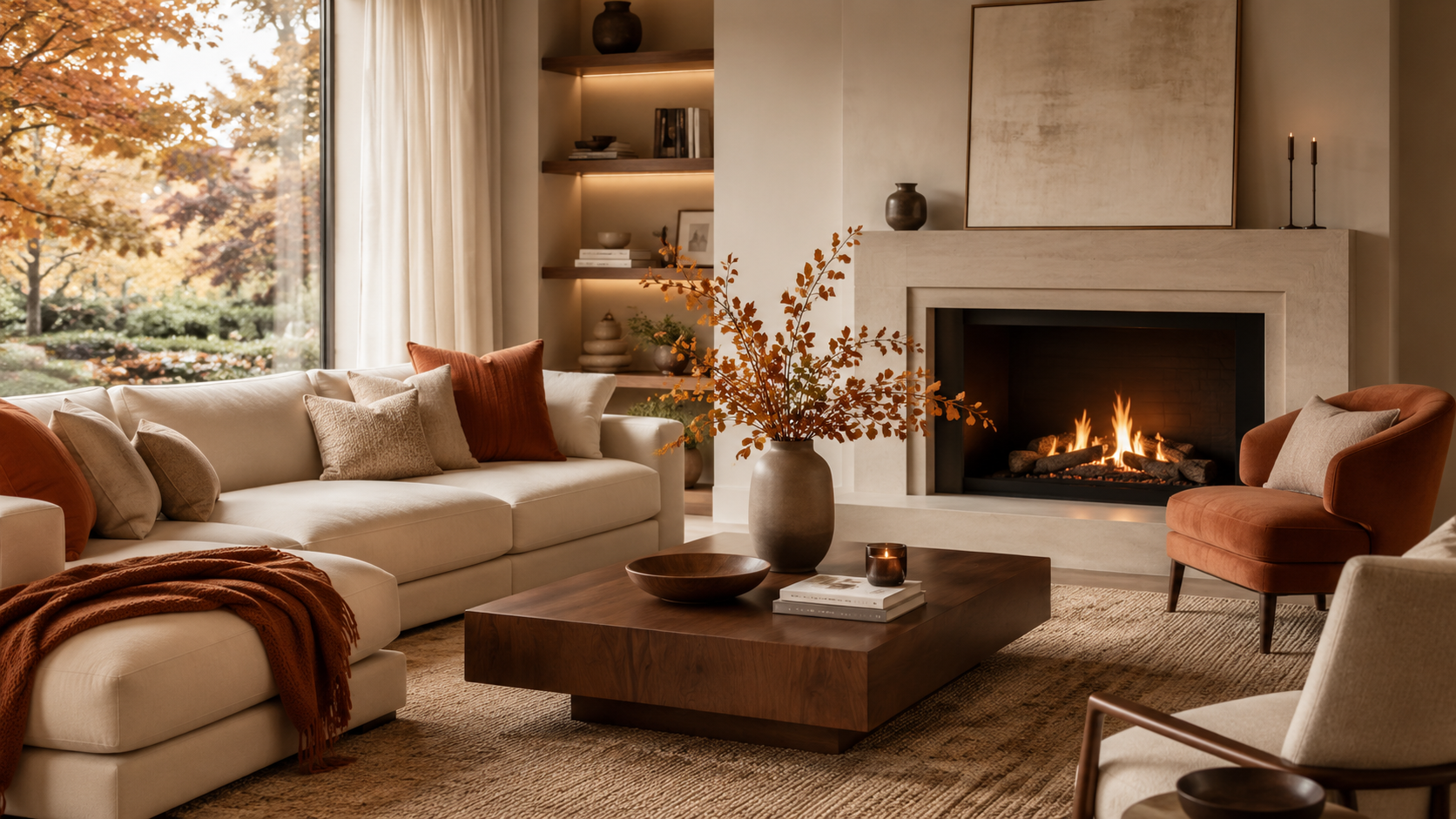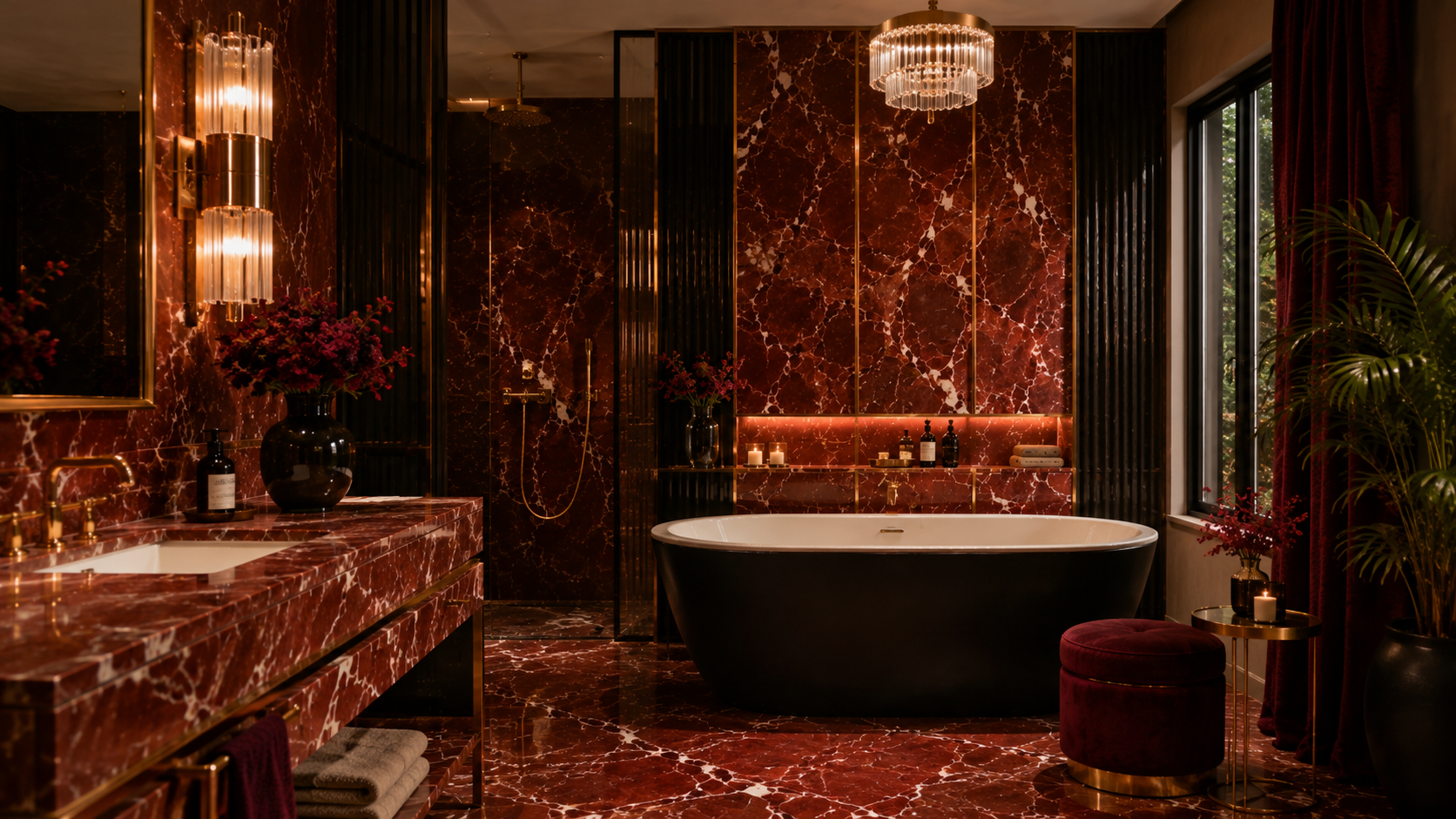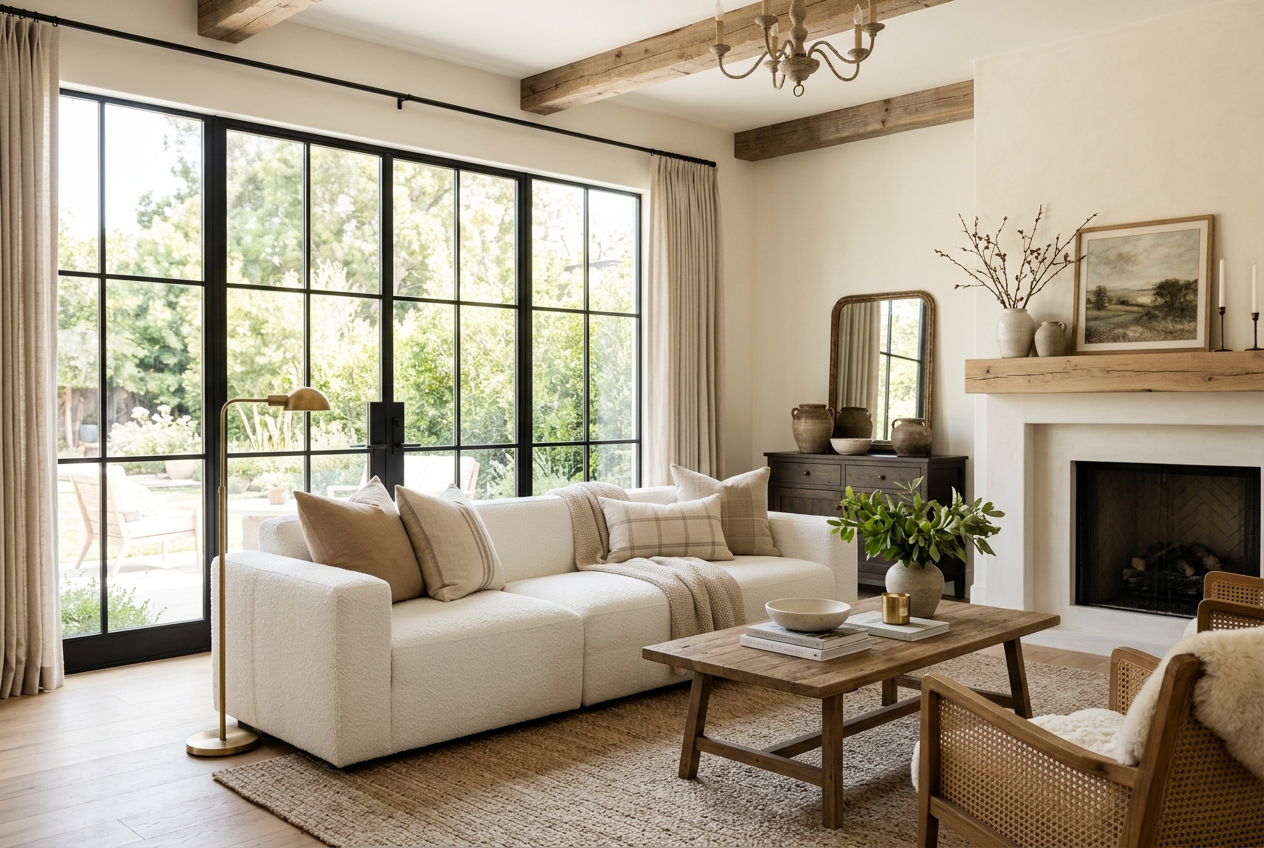
The ancient Japanese philosophy of wabi-sabi teaches us to discover profound beauty in impermanence, subtle simplicity, and natural imperfection. In modern interior design, wabi-sabi stands as a tranquil, calming antidote to sterile minimalist spaces and mass-produced synthetic decor. Rather than striving for artificial symmetry, a wabi-sabi home honors weathered wood grains, hand-molded clay pottery, raw washed linen, and organic arrangements. For complementary living room inspiration, explore our guide on 10 Warm Minimalist Living Room Ideas That Look Expensive.
What is Wabi-Sabi Interior Aesthetics?
Rooted in traditional Zen principles, wabi represents rustic simplicity, solitude, and unpretentious elegance, while sabi embodies the grace and beauty that emerges through age, natural weathering, and gentle use. When applied to interior design, wabi-sabi encourages homeowners to curate spaces with authentic, tactile materials—such as reclaimed oak, sloped plaster walls, unglazed terracotta, and hand-woven textiles—that tell a quiet, evolving story over time.
In a world dominated by fast furniture and pristine, high-gloss surfaces, embracing wabi-sabi allows your living environment to feel grounded and peaceful. It shifts the focus from showing off wealth to cultivating a serene atmosphere where every object serves a purpose or possesses genuine artistic warmth.
Core Principles of Wabi-Sabi Home Design
1. Reclaimed & Unfinished Wood Grains
Choose furniture crafted from solid, reclaimed timber—such as white oak, weathered teak, or dark walnut. Avoid glossy varnish and synthetic veneers; instead, allow the natural knots, cracks, and uneven grain lines to add architectural character to your dining table, coffee table, or shelving units.
2. Handmolded Ceramics & Stoneware Pottery
Incorporate artisanal ceramic vases, hand-cast stoneware bowls, and uneven clay planters. The subtle glaze variations and organic curves of handmade pottery bring human warmth into a room. Display a single dried olive branch or wild pampa stalk inside an unglazed ceramic vase for effortless understated beauty.
3. Washed Linen & Tactile Natural Textiles
Replace stiff synthetic fabrics with washed European linen, raw cotton, slubbed silk, and hand-loomed wool. Linen wrinkles naturally, creating a lived-in, inviting texture that feels cozy yet elevated. To complement your bedroom design, read our article on Desk Sanctuary: Elevating Your Home Office Workspace.
4. Asymmetry & Thoughtful Editing
Symmetry can often feel rigid and forced. Wabi-sabi favors organic asymmetry—arranging three stoneware pots of varying heights, off-centering a floor vase, or hanging artwork slightly offset from a mantel. This creates an unhurried, natural flow in the living area.
How to Style a Wabi-Sabi Living Room Step-by-Step
1. Simplify the Color Palette: Select warm, earthy neutrals—alabaster, warm taupe, soft sandstone, muted sage, and charcoal slate. Avoid harsh pure whites or bright neon accents.
2. Focus on Low-Profile Seating: Choose deep, linen-upholstered sofas with relaxed slipcovers and low wood frames to encourage grounded relaxation.
3. Harness Indirect Sunlight: Soften harsh window light with sheer linen curtains. Allow natural morning light to play across textured plaster walls.
4. Embrace Kintsugi Details: Celebrate broken or repaired ceramics by filling cracks with gold-dusted resin—a traditional technique that honors an object's history.
To enhance your tranquil home environment, discover how daily morning rituals build calm in our guide on The Slow Morning: Embracing Rituals Over Routines.
Common Wabi-Sabi Decor Mistakes to Avoid
- Over-decorating with faux-distressed items: Avoid store-bought, artificially distressed MDF furniture. Authentic aging and genuine natural materials look far superior.
- Ignoring tactile contrast: A space filled only with hard stone will feel cold. Balance hard stone surfaces with soft wool throws, linen curtains, and plush jute rugs.
- Cluttering empty surfaces: Leave room for empty space (known as ma in Japanese design philosophy). Negative space gives your eyes room to rest and breathe.
Frequently Asked Questions (FAQ)
How does Wabi-Sabi differ from standard minimalism?
While standard minimalism focuses on sparse, sleek, and often pristine architectural spaces, wabi-sabi celebrates texture, history, artisanal craftsmanship, and natural weathering. It feels warmer, softer, and more human.
Can I incorporate wabi-sabi decor into a modern rental apartment?
Yes! Introduce washed linen bedding, handmade clay bowls, unlacquered brass trays, and dried botanical branches to instantly soften modern apartment rental lines without permanent renovations.
What plants complement wabi-sabi interiors best?
Opt for sculptural plants with expressive branch structures—such as potted Ficus Audrey, Japanese Maple, Olive trees, or dried wild pampas and eucalyptus stems in clay jugs.
Recommended Further Reading from Sharon Fashion Journal:
- Explore our editorial breakdown on 20 Modern Boho Bedroom Ideas That Look Effortlessly Chic for more styling inspiration.
- Explore our editorial breakdown on 20 Organic Modern Kitchen Ideas That Feel Warm & Timeless for more styling inspiration.
- Explore our editorial breakdown on 20 Japandi Living Room Ideas That Blend Japanese Minimalism & Nordic Warmth for more styling inspiration.
- Explore our editorial breakdown on The Slow Morning: Embracing Rituals Over Routines for more styling inspiration.
Final Styling Summary
Embracing wabi-sabi home decor isn't about purchasing expensive new furniture—it's about adopting a mindful perspective that finds beauty in character, texture, and imperfecion. By selecting organic materials, low-profile furnishings, and natural earth tones, your living space turns into a soothing sanctuary. Save your favorite room mood boards on Pinterest to start curating your serene home! 🌿🪵
Save This Home Decor Guide on Pinterest!
Planning your next outfit, haircut, manicure, or home makeover? Pin your favorite mood boards directly to your Pinterest boards to keep these recommendations saved forever!